Key takeaways: The first 100 days after acquiring a testing or QC lab should protect accreditation, establish a trusted KPI baseline and capture quick margin wins before any large system change. Stabilize in days 0 to 30, deliver quick wins in days 31 to 60, and set up the platform for scale in days 61 to 100.
A lab acquisition closes, and the value creation plan starts. But labs are unusual assets. Their revenue depends on accreditation, validated methods and the trust of customers who audit them. Move too fast and you risk findings, lost customers or departing key staff. Move too slowly and the plan slips by a year.
Days 0 to 30: Stabilize and see clearly
- Protect accreditation. Complete any change-of-ownership notifications to accreditation bodies, and update customer quality agreements and registrations where required.
- Secure key people. Identify analysts and quality staff who hold critical method authorizations, and put retention in place.
- Build an honest baseline. Agree on definitions for turnaround time, instrument availability, retest rate, open deviations and overdue calibrations. Measure them the same way at every site.
- Inventory the risk. Instrument age and support status, calibration backlog, open CAPAs and findings, and data integrity gaps.
Days 31 to 60: Quick wins
- Fix the top downtime instruments. A small number of instruments usually drive most unplanned downtime. Target them first.
- Clear the calibration and maintenance backlog. Reduce compliance risk and prevent avoidable failures.
- Attack the retest rate. Find the top causes of reruns and fix the ones that are systemic.
- Make turnaround reliable. Customers value predictability as much as speed. Publish realistic commitments and track them.
Days 61 to 100: Set up for scale
- Harmonize the quality system. Start aligning SOPs, CAPA processes and training records across sites, without forcing changes that trigger revalidation.
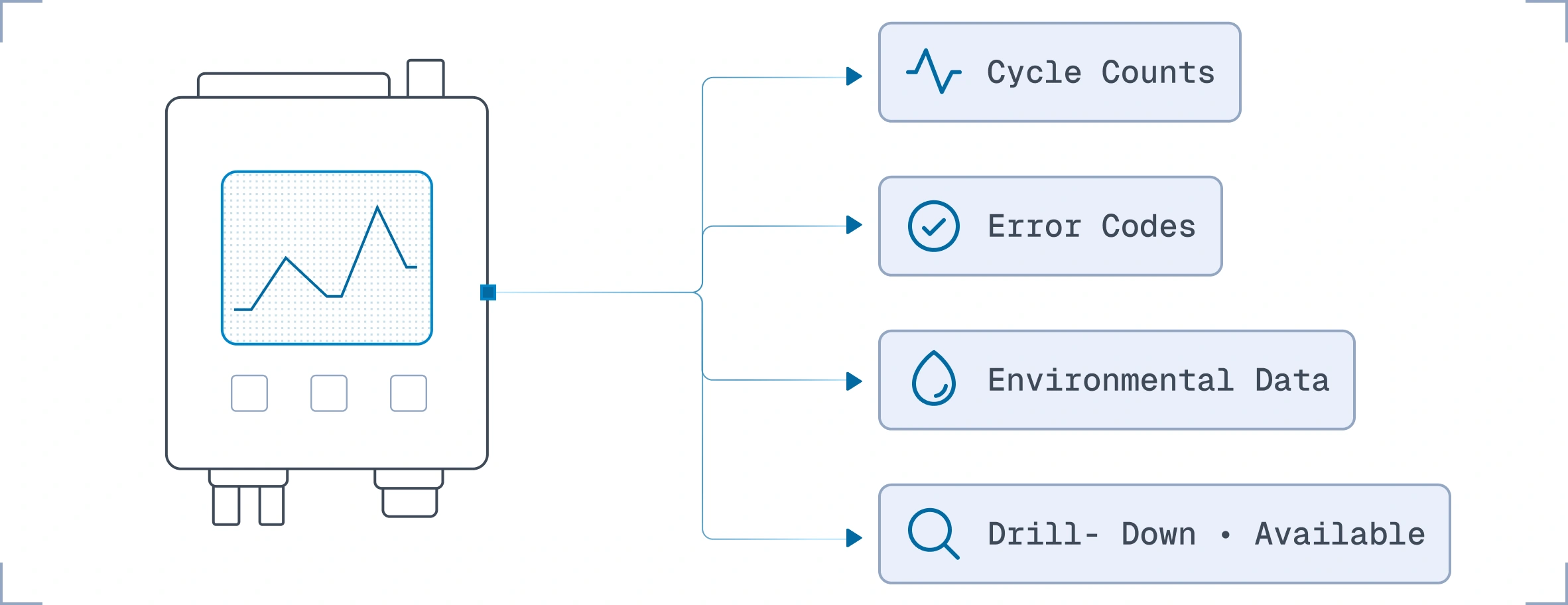
- Connect the data. Bring instrument, LIMS and QMS data into one view so the board and site managers see the same numbers.
- Pilot AI where risk is low and value is clear. Instrument health monitoring, audit readiness checks and deviation drafting are good starting points because people stay in control of every decision.
- Build the board pack. A monthly operational dashboard tied to the value creation plan.
What not to do in the first 100 days
- Rip and replace the LIMS. Plan it, but don't start it before the baseline is stable.
- Change validated methods to standardize across sites before the quality teams are aligned.
- Cut quality headcount before understanding who holds critical knowledge.
The KPIs your board should see by day 100
- Turnaround time by test type, against commitments.
- Instrument availability and unplanned downtime.
- Retest and rework rate.
- Open deviations, CAPAs and findings, with aging.
- Overdue calibrations and training gaps.
- Capacity utilization by site.
FAQ
What's the biggest risk after acquiring a lab?
Losing accreditation status or key people. Both can be prevented with early notifications and a clear retention plan.
When should a new owner introduce AI into an acquired lab?
Once the KPI baseline is in place, usually in the second half of the first 100 days. Start with use cases that keep humans signing every decision.
Should all acquired labs move to one LIMS?
Often eventually, but rarely in the first 100 days. Connecting existing systems first delivers visibility faster and with less risk.
Related reading
Planning the first 100 days for a lab platform? Trucision connects to existing instruments and systems without rip-and-replace, so you get a trusted baseline fast. Book a 30-minute call.