
Quick Links

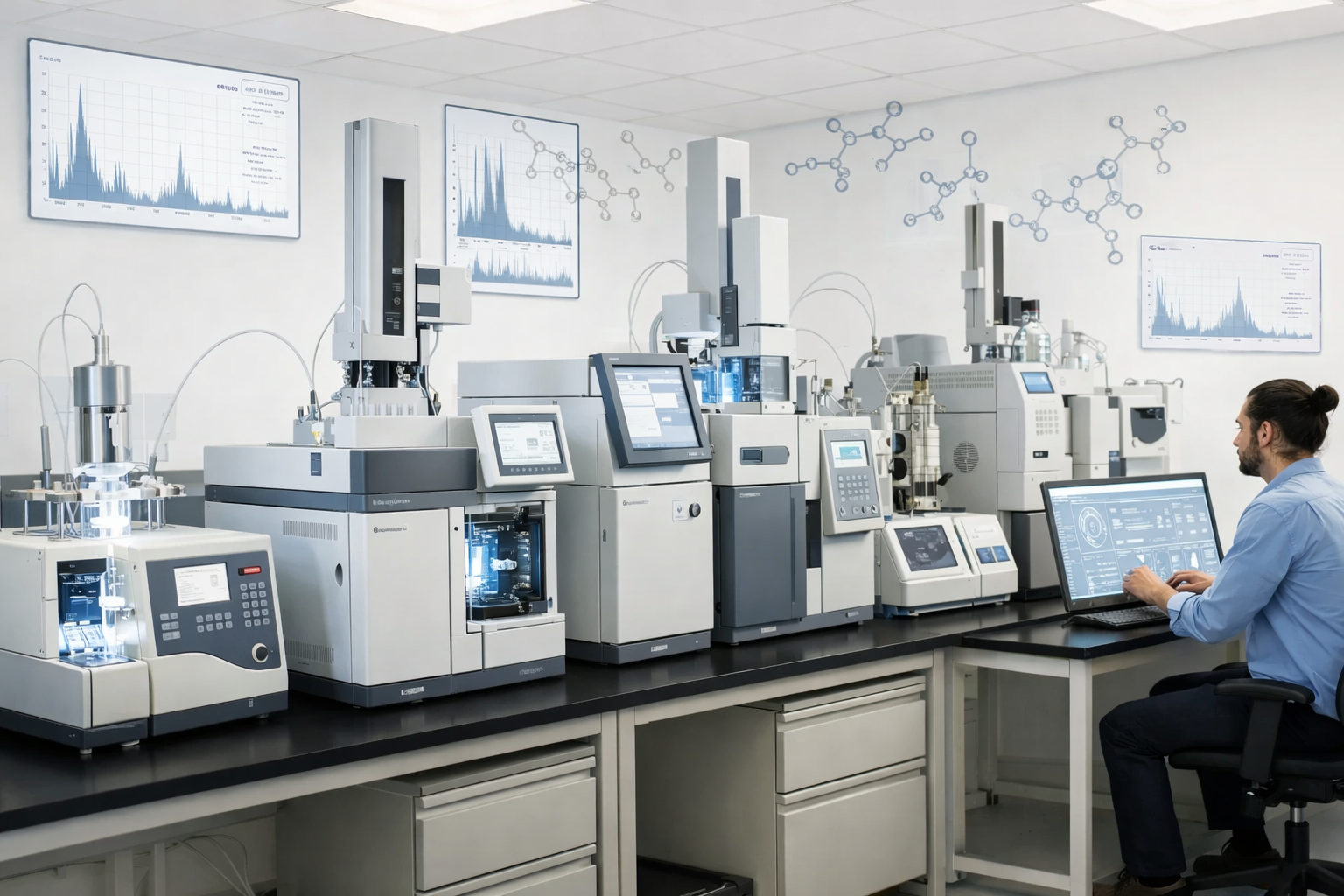
On paper: solid KPIs, passing audits, acceptable turnaround times. In reality: constant pressure, late nights, and a quiet loss of credibility with senior customers.
Context
A mid-size analytical lab serving regulated industrial customers.
On paper: solid KPIs, passing audits, acceptable turnaround times.
In reality: constant pressure, late nights, and a quiet loss of credibility with senior customers.
The LIMS showed no red flags. The floor told a different story.
The Blind Spot
Management relied on:
What they didn’t see:
Nothing was broken enough to fail. Everything was degraded enough to hurt.
What They Started Measuring (Outside LIMS)
1. Rework Ratio (Expanded Definition)
Not just formal reruns.
Included:
Finding:
For every 1 logged rerun, 3.4 invisible rework events occurred.
2. Abort-with-Value Events
Runs that:
Finding:
18% of weekly runs fell into this gray zone — none visible to management.
3. Perceived Reliability Score (Technician-Led)
Technicians rated instruments weekly:
Finding:
Several instruments rated “unreliable” for months while uptime stayed above 90%.
Availability ≠ trust.
4. Yellow State Persistence
They tracked how often systems sat in:
Finding:
The lab operated in a constant yellow state 62% of the time.
No alarms. Just erosion.
5. Cognitive Load Signals
Measured indirectly via:
Finding:
Senior analysts were acting as living control systems.
Burnout was structural, not personal.
The Inflection Point
A major customer asked a simple question during renewal:
“Why do your results take longer to explain than to generate?”
Management couldn’t answer with data. That was the moment.
What Changed After Visibility
Within 90 days:
Most importantly:
The Real Lesson
LIMS told them what completed.
These metrics showed what it cost to complete.
Invisible work is still work.
Unlogged risk is still risk.
And a lab that’s always yellow is already late.
If your dashboards are calm but your people aren’t — measure that gap.


